

tedaviler-pattern-logo
Treatments
Our expertise and modern treatment solutions in the field of gastroenterology.
Fibroscan_2026
Fibroscan
Fibroscan is a rapid, painless test that assesses the level of fibrosis/cirrhosis without needles by measuring liver stiffness and fat accumulation using ultrasound-like elastography.
endoskopik-submukozal-diseksiyon_2026
Endoscopic Submucosal Dissection
Endoscopic Submucosal Dissection (ESD) is an advanced endoscopic treatment that removes early-stage cancer/precursor lesions from the submucosa of the digestive tract, such as the stomach and intestines, in a single piece.
karaciger-yaglanmasi_2026
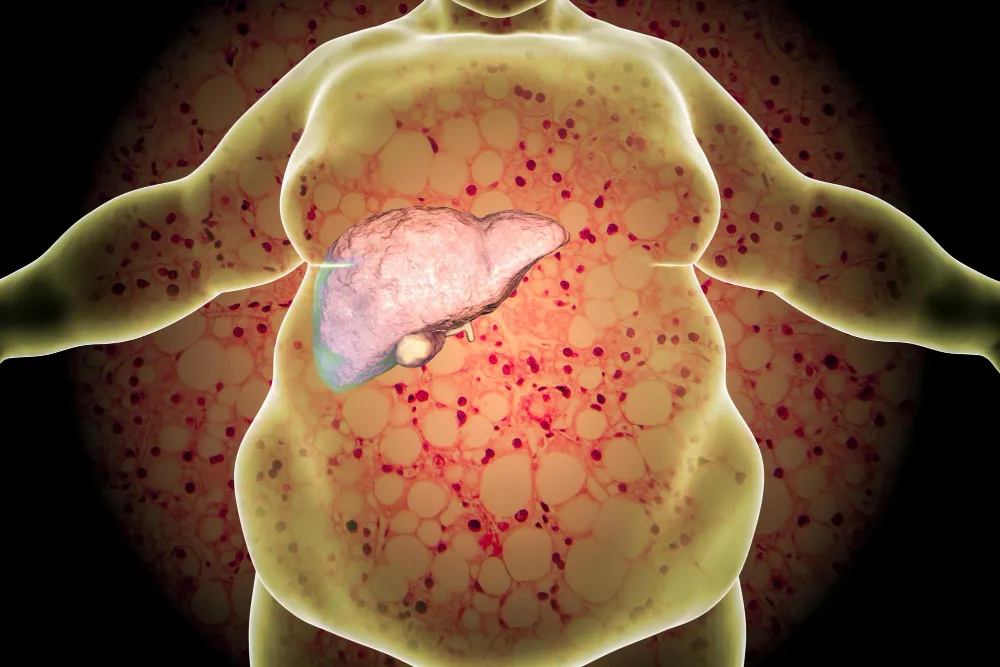
Fatty Liver Disease
Fatty liver disease is a condition in which more fat than normal accumulates in liver cells; it can be caused by factors such as obesity, insulin resistance, and alcohol, and can progress to inflammation and fibrosis over time.
ercp_2026
ERCP
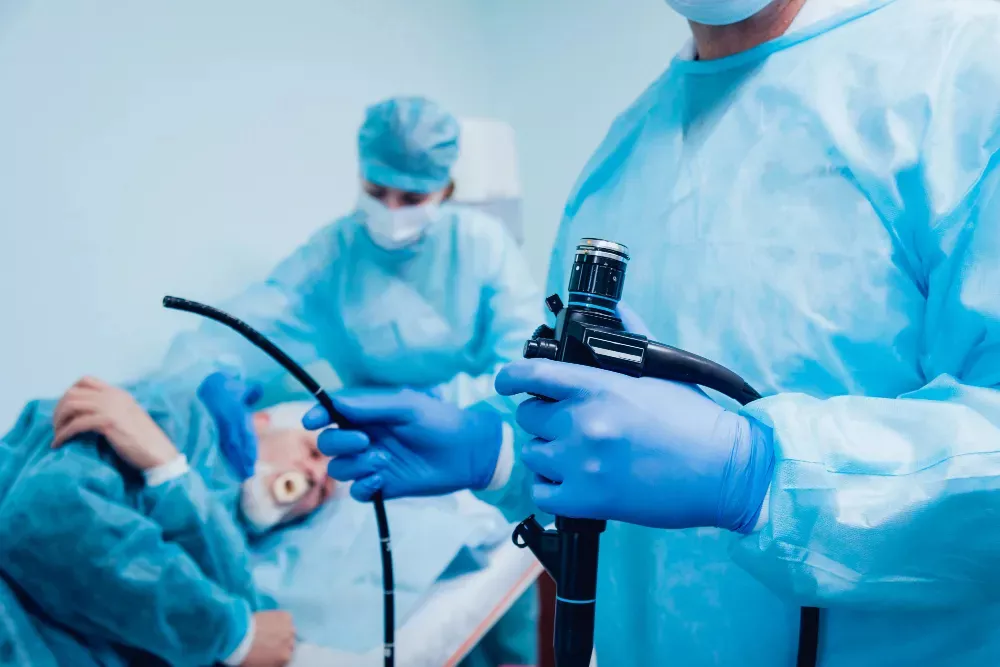
ERCP is an interventional endoscopic procedure that uses endoscopy and X-rays to visualize the bile ducts and pancreatic duct, and to treat stones, strictures, and blockages.
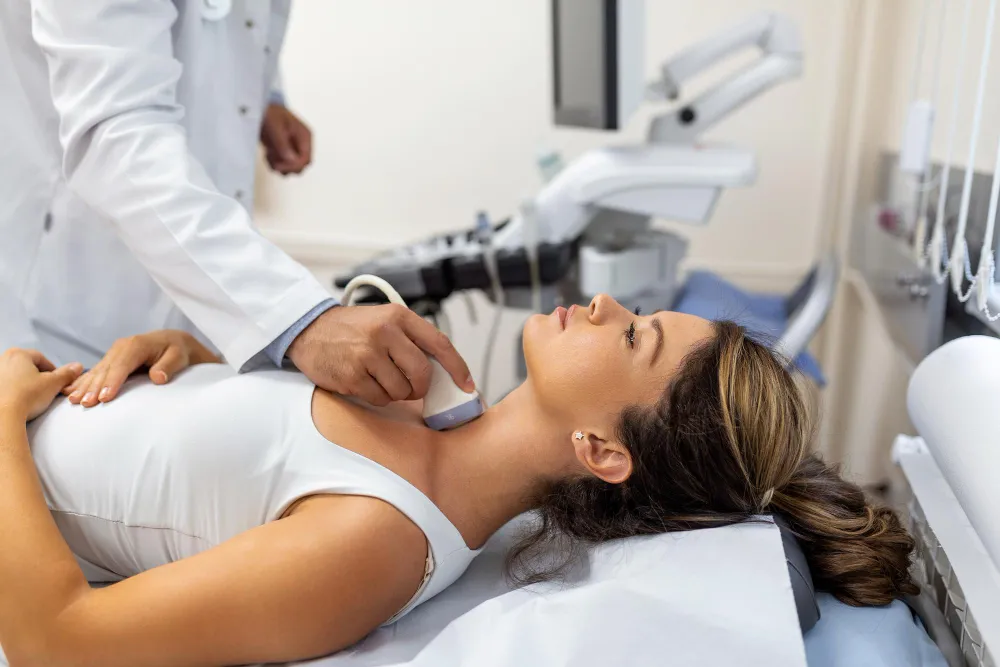
Fibroscan_2026
Fibroscan
Fibroscan is a rapid, painless test that assesses the level of fibrosis/cirrhosis without needles by measuring liver stiffness and fat accumulation using ultrasound-like elastography.
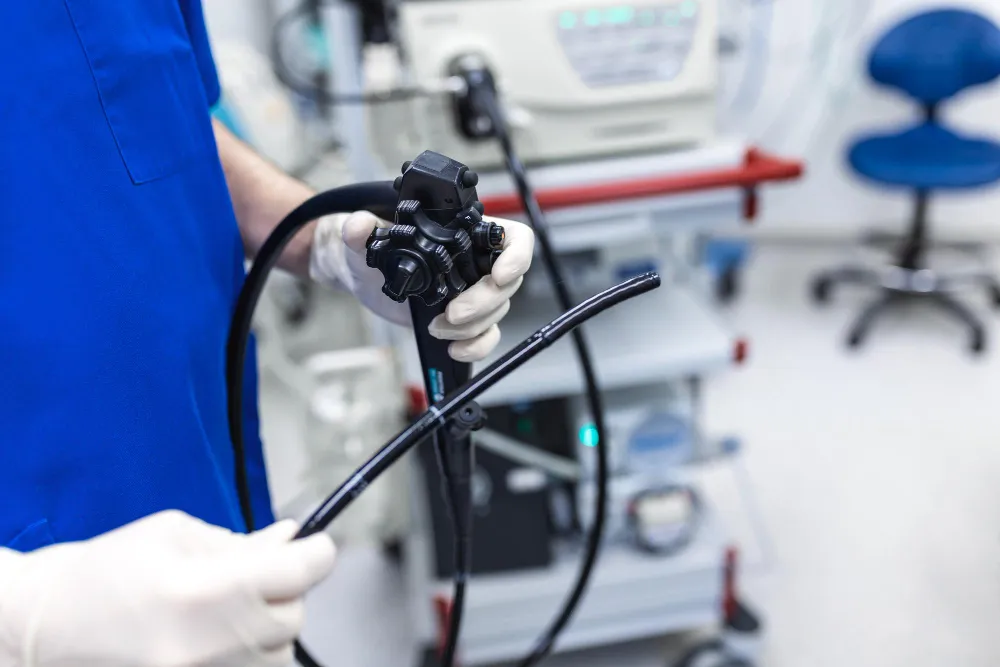
endoskopik-submukozal-diseksiyon_2026
Endoscopic Submucosal Dissection
Endoscopic Submucosal Dissection (ESD) is an advanced endoscopic treatment that removes early-stage cancer/precursor lesions from the submucosa of the digestive tract, such as the stomach and intestines, in a single piece.
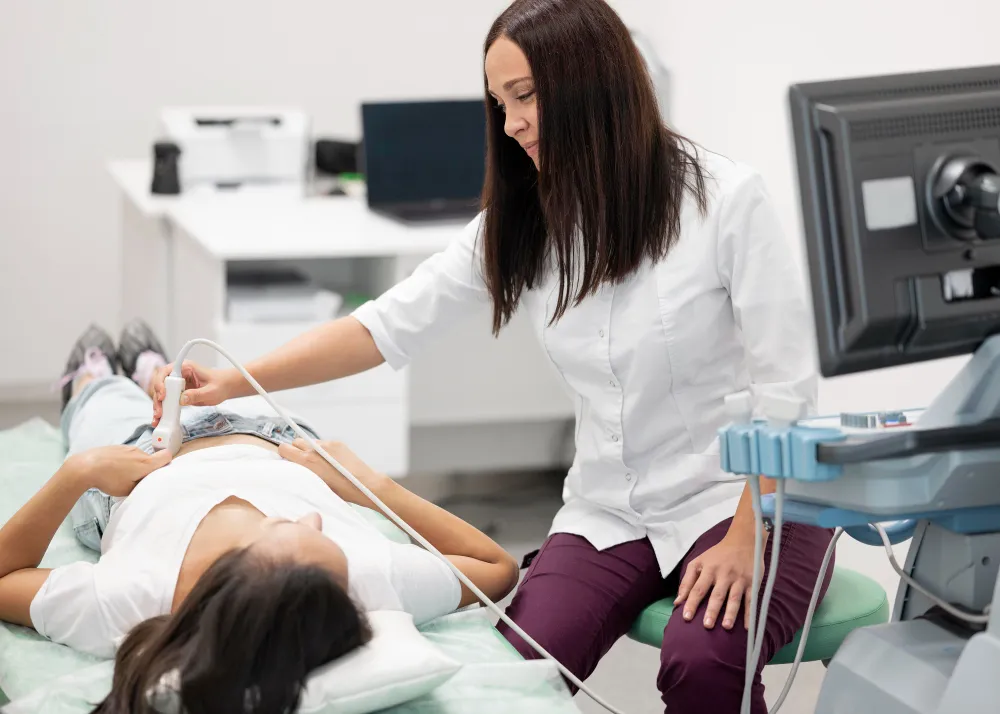
karaciger-yaglanmasi_2026
Fatty Liver Disease
Fatty liver disease is a condition in which more fat than normal accumulates in liver cells; it can be caused by factors such as obesity, insulin resistance, and alcohol, and can progress to inflammation and fibrosis over time.
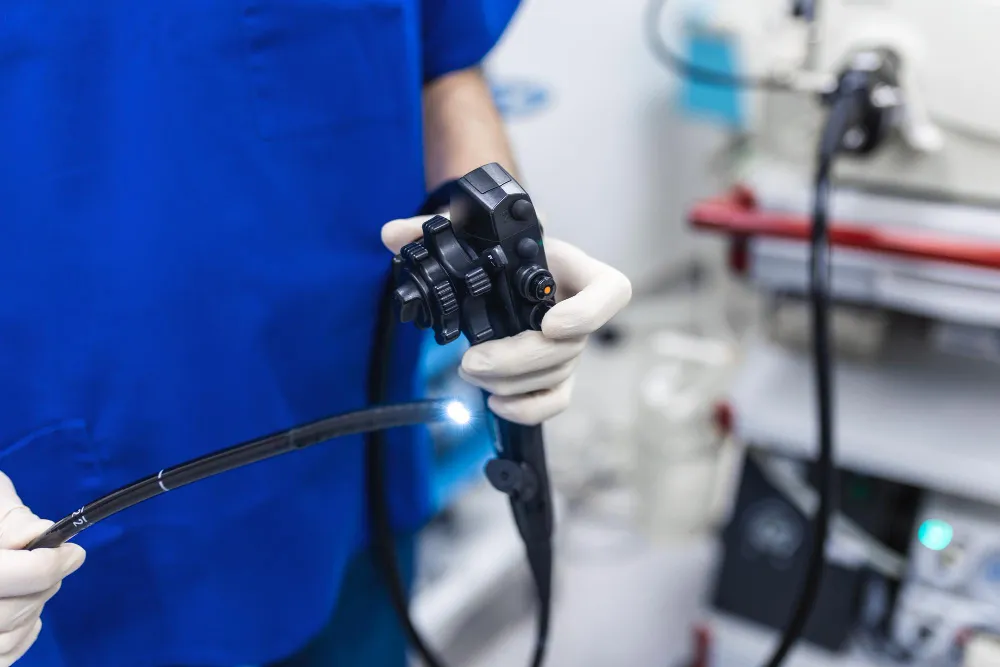
ercp_2026
ERCP
ERCP is an interventional endoscopic procedure that uses endoscopy and X-rays to visualize the bile ducts and pancreatic duct, and to treat stones, strictures, and blockages.
About Us
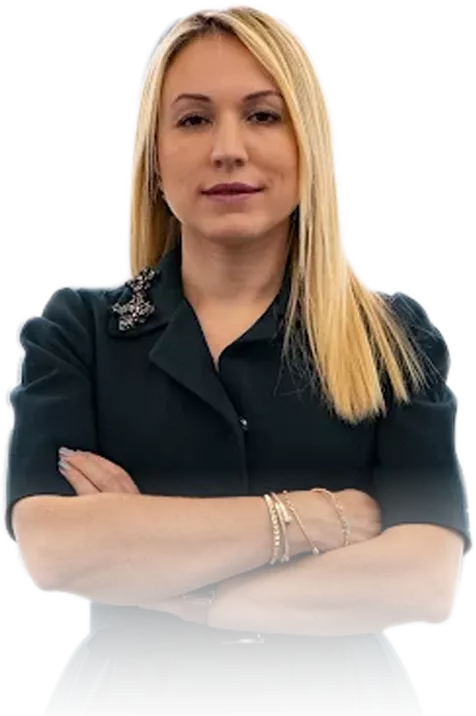
She is an experienced specialist in gastroenterology and hepatology. She completed her medical education at Eskişehir Osmangazi University and her internal medicine residency at SSK Dışkapı Training and Research Hospital. She finalized her gastroenterology subspecialty training at Gazi University.She received advanced endoscopy training at The Johns Hopkins University and Korea University. Her main areas of expertise include advanced endoscopic procedures, endosonography, gastroscopy, and colonoscopy. She currently practices at Liv Hospital.
More
hakkimda-gorsel
Videos
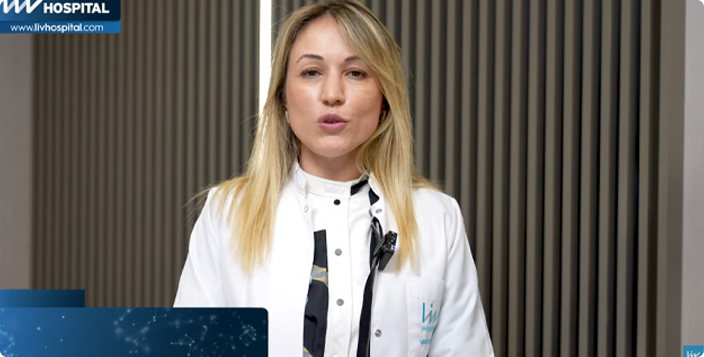
You can easily access up-to-date and reliable health information by browsing our YouTube videos.
Frequently Asked Questions
Frequently asked questions about our clinical practices, endoscopic procedures, and liver disease treatments.
What is endosonography used for?
Endosonography uses ultrasound to provide a detailed assessment of the pancreas, bile ducts, and digestive wall layers through the stomach and intestines; needle biopsy and staging can be performed if necessary.
For which complaints is a colonoscopy recommended?
Colonoscopy is recommended for blood in the stool, persistent diarrhea or constipation, unexplained abdominal pain, iron deficiency anemia, family history of the disease, and screening for colon cancer.
Are polyps removed during a colonoscopy?
Yes. Polyps found during colonoscopy are often removed in the same session, sent to pathology, and a follow-up plan is made; this procedure helps reduce the risk of colon cancer.
What does gastroscopy show?
Gastroscopy visualizes the esophagus, stomach, and duodenum. It evaluates the causes of ulcers, gastritis, reflux damage, and bleeding; biopsies may be taken if necessary.
What does a FibroScan result mean?
FibroScan measures liver stiffness, providing information about the degree of fibrosis; it also indicates the level of fat accumulation. The results are interpreted in conjunction with examination and blood tests.
In which lesions is endoscopic submucosal dissection used?
ESD is an advanced endoscopic treatment used to remove early-stage cancer or large lesions that could develop into cancer in the stomach and intestines in one piece; it can reduce the need for surgery and the risk of recurrence.
In what situations is ERCP performed?
ERCP is used for the diagnosis and treatment of gallstones, bile duct strictures, jaundice, cholangitis, and pancreatic duct obstruction. Stone removal, incision, and stent placement can be performed.
Is Pain Normal After ERCP?
Mild abdominal pain and bloating may occur. Severe pain, fever, increasing jaundice, or vomiting require immediate evaluation for pancreatitis or infection.
How is fatty liver disease diagnosed?
Fatty liver disease often does not cause symptoms; it is detected through blood tests, ultrasound, and FibroScan. In advanced cases, fatigue, fullness in the upper right abdomen, and elevated enzyme levels may be observed.
How is fatty liver disease treated?
Treatment primarily involves weight loss, regular exercise, reducing sugar and refined carbohydrates, quitting alcohol, and controlling diabetes and cholesterol; the need for medication is determined by the physician.
blog-logo-pattern