


What Is a Colonoscopy?
Colonoscopy is a medical procedure that allows direct examination of the inner lining of the large intestine.
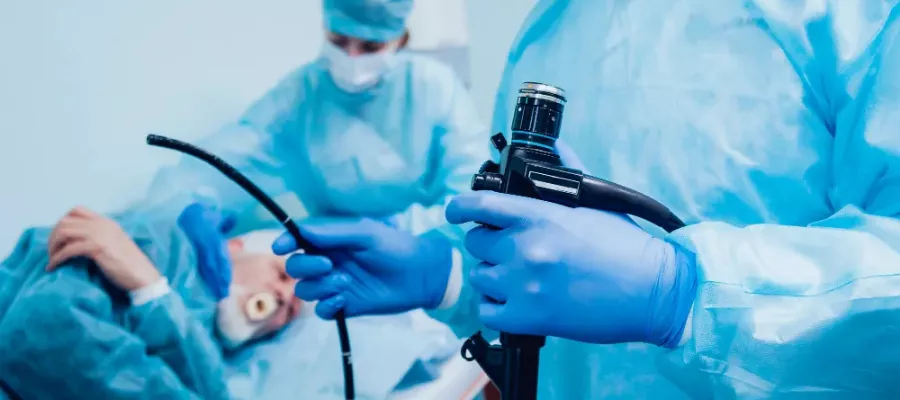
During this procedure, a thin and flexible tube with a light and camera at its tip is inserted through the anus and advanced from the rectum throughout the entire colon. The images are displayed on a monitor, allowing detection of abnormalities such as polyps, inflammation, ulcers, or tumors.
If necessary, interventions such as polyp removal or tissue sampling (biopsy) can be performed during colonoscopy. This method is used to investigate digestive system complaints and for screening purposes. It provides important information for early diagnosis and treatment planning.
How Is a Colonoscopy Performed?
After the patient is relaxed under anesthesia or sedation, the endoscope is inserted through the anus and advanced carefully.
Before the procedure, a special diet and bowel cleansing are required to ensure clear visualization of the intestines. During colonoscopy, the illuminated camera carefully examines the intestinal wall, and suspicious areas are evaluated. If a polyp is detected, it can be removed, or a tissue sample can be taken for biopsy. Sedation is usually administered to enhance comfort and minimize discomfort. After completion, the patient is monitored briefly before discharge.
Why Is a Colonoscopy Performed?
Colonoscopy is performed to investigate digestive symptoms and detect possible abnormalities in the intestines.
Persistent diarrhea, constipation, blood in stool, anemia, or unexplained abdominal pain may require a colonoscopy. It is also routinely recommended as a colon cancer screening test for individuals aged 45–50 and older. If there is a family history of colorectal cancer or polyps, screening may begin earlier. Early detection and removal of polyps can significantly reduce cancer risk. Therefore, colonoscopy serves both diagnostic and preventive purposes.
How Long Does a Colonoscopy Take?
The procedure usually takes between 20 and 40 minutes, depending on additional interventions.
If only visualization is required, the process may be shorter. If polyp removal or biopsy is necessary, the procedure may take slightly longer. Sedation improves patient comfort and reduces discomfort during the examination. Bowel preparation is not included in the procedure time, as colonoscopy refers only to the internal examination. After a short observation period, patients can usually return to normal daily activities.
How Should You Prepare Before a Colonoscopy?
Before a colonoscopy, the intestines must be completely cleaned through a special diet and bowel preparation.
A few days before the procedure, high-fiber and hard-to-digest foods should be reduced. The day before, a liquid diet and prescribed bowel cleansing medications are required. This ensures clear visualization of the intestinal lining. Water intake is important, although fluids may be restricted a few hours before the procedure. All medications and chronic conditions should be discussed with the doctor. Proper preparation improves image quality and procedure success.
What Should Be Considered After a Colonoscopy?
After the procedure, resting for a few hours, drinking plenty of fluids, and avoiding heavy meals are recommended.
If sedation was used, driving should be avoided. Light and easy-to-digest foods are preferred for the first meals. Mild cramping or gas is common. However, severe pain, bleeding, or high fever should be reported immediately. Changes in bowel movements should also be monitored. Attending follow-up appointments supports recovery. Proper aftercare helps reduce the risk of complications.
Does a Colonoscopy Hurt?
Since sedation is usually administered, most people experience mild discomfort rather than pain.
Sedation helps the patient relax and increases comfort. As the endoscope advances, mild pressure, cramping, or gas sensations may occur. These sensations are generally temporary and tolerable. Without sedation, some individuals may feel more discomfort, but it usually resolves quickly. Severe pain after the procedure is uncommon.
What Is a Sedated Colonoscopy?
A sedated colonoscopy is performed using sedative medications to help the patient relax during the procedure.
With mild or moderate sedation, anxiety and discomfort are reduced. Many patients remember little or nothing about the procedure. The type of sedation depends on medical history and individual needs. After the procedure, temporary drowsiness may occur. Driving should be avoided the same day. Sedated colonoscopy is often preferred for anxious or sensitive patients.
Which Conditions Can Be Detected with Colonoscopy?
Many diseases affecting the colon and rectum can be directly examined through colonoscopy.
Polyps, tumors, inflammatory bowel diseases, diverticulitis, and bleeding sources can be identified. Conditions such as ulcerative colitis and Crohn’s disease can also be diagnosed. When necessary, biopsy samples are taken for microscopic evaluation. Colonoscopy plays a key role in detecting early-stage digestive diseases.
When Are Colonoscopy Results Available?
Initial findings are usually shared immediately, while biopsy results may take several days.
Visual observations are explained to the patient on the same day. If tissue samples are sent to pathology, results are typically available within 3–7 days. The timeline may vary depending on laboratory workload. Final diagnosis is made by evaluating both visual findings and pathology reports together.
Colonoscopy Prices 2026
Colonoscopy Treatment 2026 price information may vary depending on examinations, surgery plan and hospital process.
For the most accurate and up-to-date price information, you can get information from our line at +90 (505) 311 77 36.
Is Colonoscopy Performed on an Empty Stomach?
Yes, colonoscopy is performed on an empty stomach to ensure the digestive system is completely clear.
Patients are generally advised not to eat or drink for at least 6–8 hours before the procedure. This preparation ensures better visualization and safety. Bowel cleansing medications are also used before the examination. Fluid intake may be restricted a few hours before the procedure, as advised by the physician.
What Can You Eat Before a Colonoscopy?
Before the procedure, low-fiber and easily digestible foods should be consumed.
White bread, rice, yogurt, boiled potatoes, and chicken are commonly recommended. Nuts, legumes, red meat, whole grains, and fibrous fruits should be avoided. The day before the procedure, only clear liquids may be allowed. Prescribed bowel cleansing medications must be taken as directed, along with adequate fluid intake.
Will I Be Asleep During a Colonoscopy?
If sedation is administered, patients remain in a light sleep state during the procedure.
Sedation reduces discomfort and anxiety. Short-acting medications are given intravenously. Patients may remain partially conscious but usually do not remember the procedure. In some cases, sedation may not be used. The method depends on the patient’s condition and preference.
Is Gas Pain Normal After a Colonoscopy?
Yes, gas discomfort after colonoscopy is common due to air introduced during the procedure.
Air is used to expand the intestines for better visualization. This may cause temporary bloating or mild cramps. Symptoms usually resolve on their own. Gentle walking and drinking fluids may help relieve discomfort. Severe or prolonged pain should be reported to a healthcare provider.
When Is a Colonoscopy Necessary?
Colonoscopy becomes necessary in cases of persistent symptoms, bleeding, or high-risk family history.
Hidden blood in stool, iron deficiency anemia, unexplained weight loss, or ongoing bowel issues may require examination. Routine screening is recommended for individuals over 50. Those with a family history of colorectal cancer may need earlier testing. Follow-up colonoscopy is also required when previous polyps or lesions are detected. Early screening plays a critical role in prevention.
Does Having a Colonoscopy Mean Cancer?
Undergoing a colonoscopy does not mean a person has cancer.
The procedure is commonly used for diagnosis, screening, and early intervention. Symptoms such as abdominal pain, blood in stool, constipation, or diarrhea may require evaluation. Colonoscopy allows detection and removal of precancerous polyps. This significantly reduces future cancer risk. Early screening is especially important for high-risk individuals.
Colonoscopy or Virtual Colonoscopy?
Conventional colonoscopy is generally preferred because it allows both diagnosis and treatment.
Virtual colonoscopy uses CT imaging to visualize the intestines without inserting a scope. However, it does not allow biopsy or polyp removal. Conventional colonoscopy enables direct intervention when abnormalities are detected. The choice depends on the patient’s condition and the purpose of the examination.