


What Is Gastroscopy?
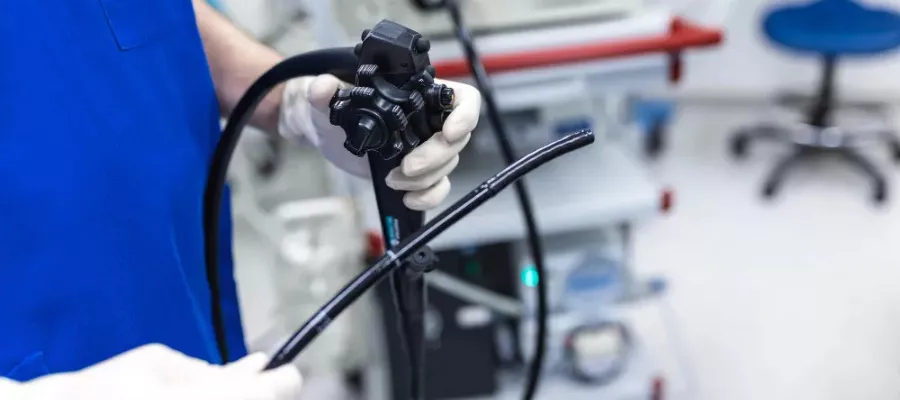
Gastroscopy is an endoscopic procedure used to examine the esophagus, stomach, and duodenum.
During this procedure, a thin tube with a camera at its tip is inserted through the mouth and advanced into the stomach to evaluate internal organs in detail. Gastroscopy helps detect ulcers, gastritis, polyps, and tumors at an early stage. It is mainly performed for diagnostic purposes, and biopsies can be taken if necessary. Local anesthesia or mild sedation may be used to reduce discomfort. Gastroscopy is widely applied in gastroenterology because it allows early intervention for digestive system disorders.
How Is Gastroscopy Performed?
Gastroscopy is performed using a thin tube that advances from the mouth into the stomach.
The patient must fast before the procedure, and a local anesthetic is applied to the throat. This makes the passage of the tube more comfortable. The endoscope moves through the esophagus into the stomach and then the duodenum. Images are monitored on a screen, and tissue samples can be collected if needed. The procedure usually takes 5 to 10 minutes, followed by a short rest period. The stomach lining is carefully evaluated to ensure accurate diagnosis.
How Long Does Gastroscopy Take?
Without sedation, gastroscopy is usually completed within 5 to 10 minutes.
The duration may vary depending on the patient’s condition and whether additional steps, such as biopsy, are required. Simple observation procedures are brief, while detailed examinations may take slightly longer. The stomach must be empty, requiring at least 6 hours of fasting. After a short monitoring period, patients can return to daily activities. Gastroscopy offers time efficiency in early diagnosis of digestive diseases.
Important Considerations Before Gastroscopy
Patients must fast for at least 6 hours before gastroscopy.
No food or drink, including water, should be consumed during this time. Otherwise, stomach contents may interfere with visualization and increase aspiration risk. Any medications should be discussed with the doctor beforehand. Blood thinners may need temporary adjustment. Patients with diabetes may require insulin or medication modifications. Comfortable clothing is recommended, and jewelry should be removed. These precautions ensure a safe and effective procedure.
Possible Conditions After Gastroscopy
Mild throat irritation, coughing, or gas discomfort are common after gastroscopy.
A scratching sensation or mild swallowing difficulty may occur but usually resolves within hours. Mild stomach cramps or gas may result from air introduced during the procedure. If a biopsy was taken, slight stomach discomfort or rarely minor bleeding may occur. Severe pain, vomiting, or fever requires medical attention. These mild side effects are generally temporary and do not require serious intervention.
When Is Gastroscopy Necessary?
Gastroscopy may be required for swallowing difficulty, heartburn, or unexplained abdominal pain.
Persistent nausea, vomiting, weight loss, hidden blood in stool, or anemia are also indications. It is important for diagnosing reflux, stomach ulcers, and gastritis. Patients with previously diagnosed stomach conditions may require follow-up examinations. If a suspicious lesion is seen, biopsy clarifies the diagnosis. Early detection improves treatment success. Gastroscopy is an effective method for identifying digestive complaints.
Is Gastroscopy Risky?
When performed according to medical standards, gastroscopy is generally a low-risk procedure.
Common risks include throat irritation, nausea, temporary stomach pain, or gas. If biopsy is taken, rare minor bleeding or infection may occur. Serious complications are uncommon, especially when performed by experienced physicians. Sedative medications may cause temporary dizziness. Resting after the procedure is recommended. Although safe, patients should be properly informed beforehand.
Does Gastroscopy Hurt?
When the throat is numbed, gastroscopy usually does not cause pain, though mild discomfort may occur.
A gag reflex may be felt as the tube passes through the throat. Local anesthesia prevents pain, but mild bloating may occur due to air in the stomach. With sedation, most patients feel nothing during the procedure. Mild throat irritation may last a few hours afterward. Because the procedure is brief, it is generally well tolerated. Most patients return to normal activities the same day.
Which Diseases Can Be Detected with Gastroscopy?
Gastroscopy directly visualizes diseases of the esophagus, stomach, and duodenum.
It helps identify ulcers, gastritis, reflux disease, esophageal inflammation, stomach polyps, and tumors. It is especially valuable in patients with stomach bleeding, swallowing difficulty, unexplained weight loss, or persistent abdominal pain. Biopsy can be performed during the procedure for further diagnosis. Gastroscopy is a reliable method for both diagnosis and early detection.
When Are Gastroscopy Results Available?
Visual findings are available the same day, while biopsy results may take several days.
Images are immediately reviewed by the physician. If no biopsy is taken, findings can be shared after the procedure. If tissue samples are collected, they are sent to pathology and results typically take a few days. The final diagnosis and treatment plan depend on the pathology report.
Gastroscopy Prices 2026
Gastroscopy Treatment 2026 price information may vary depending on examinations, surgery plan and hospital process. For the most accurate and up-to-date price information, you can get information from our line at +90 (505) 311 77 36.
Is Gastroscopy Performed on an Empty or Full Stomach?
Gastroscopy is performed on an empty stomach.
Patients should avoid food and drink for 6 to 8 hours before the procedure. This ensures clear visualization and reduces aspiration risk. Even water should be avoided after a certain time. Not fasting may interfere with imaging or make the procedure unsafe. Following medical instructions carefully is essential.
Is Gastroscopy Done While Fasting?
Gastroscopy provides safer and clearer results when the stomach is empty.
Patients should not eat for at least 6 hours and avoid drinking water 2 to 4 hours beforehand. Fasting improves image quality and reduces complications. If preparation rules are not followed, the procedure may be postponed.
When Can You Eat After Gastroscopy?
Eating can resume once throat numbness has completely worn off.
Local anesthetic spray temporarily suppresses swallowing reflexes. This effect usually lasts 30 to 60 minutes. Eating too early increases choking risk. Light and easy-to-swallow foods are recommended initially. If biopsy was taken, avoiding hard or irritating foods for a short time is advised.
How Long Do Gastroscopy Results Take?
Visual findings are immediate, while biopsy results are usually ready within a few days.
Physicians share observed findings directly after the procedure. If biopsy samples were taken, pathology analysis typically takes 3 to 7 days. The treatment plan is finalized once results are available.
Are There Alternatives to Gastroscopy?
Capsule endoscopy or barium swallow studies may be alternatives to gastroscopy.
However, these methods do not provide the same level of detail and do not allow biopsy. Capsule endoscopy is mainly used for small intestine imaging. Barium studies offer general structural information. Gastroscopy remains the most reliable method for both diagnosis and treatment.
Can Gastroscopy Be Performed Under Sedation?
Yes, gastroscopy can be comfortably performed under sedation.
Sedation prevents pain and discomfort during the procedure. Medications are administered intravenously to induce a light sleep state. This option is especially recommended for anxious patients or those with a strong gag reflex. Afterward, the patient is monitored until fully awake.
Is Gastroscopy Required Before Sleeve Gastrectomy?
Gastroscopy is a mandatory step before sleeve gastrectomy to evaluate stomach health.
It helps detect reflux, ulcers, polyps, or hidden malignancies. These findings are important for surgical planning. Preoperative gastroscopy improves safety and surgical outcomes.
Is Hoarseness Normal After Gastroscopy?
Temporary hoarseness after gastroscopy is normal due to throat irritation.
The endoscope may cause mild irritation near the vocal cords. This usually resolves within one to two days. Drinking water and resting the voice may help recovery. Persistent hoarseness should be evaluated by a physician.