


What Is Fatty Liver Disease?
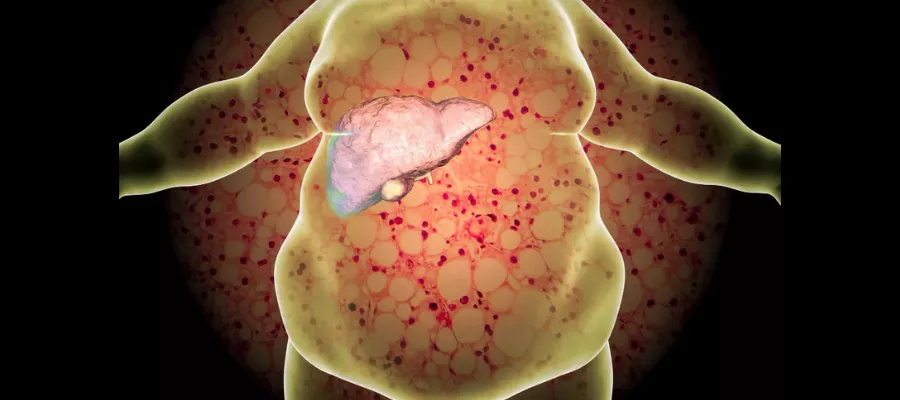
Fatty liver disease is defined as the accumulation of excess fat within liver cells.
This condition can impair normal liver function and may lead to inflammation or tissue damage over time. Fatty liver develops when abnormal fat buildup occurs in liver cells and often shows no symptoms in the early stages. As the disease progresses, fatigue, discomfort in the upper right abdomen, or abdominal bloating may appear.
It is usually detected through screening or imaging methods such as ultrasound or FibroScan. Treatment is planned according to the underlying cause. Lifestyle changes and proper dietary adjustments are typically the first steps. Early diagnosis is important to prevent progression of hepatic steatosis.
What Causes Fatty Liver Disease?
Excess calorie intake and lack of physical activity are common causes of fatty liver disease.
When the body stores excess energy as fat, some of it accumulates in the liver. Obesity, insulin resistance, and type 2 diabetes significantly increase the risk. Excessive alcohol consumption may lead to alcohol-related fatty liver disease.
Certain medications, rapid weight loss, and genetic predisposition may also contribute. When these factors combine, fat accumulation in the liver increases and may become chronic. Controlling risk factors is essential to slow disease progression.
How Is Fatty Liver Disease Diagnosed?
Fatty liver disease is often detected during routine tests or imaging studies and may not cause early symptoms.
Blood tests may show elevated liver enzymes. Imaging methods such as ultrasound can reveal fat accumulation. FibroScan or elastography tests help assess liver stiffness and determine severity.
Some individuals may experience fatigue or mild discomfort in the upper right abdomen. However, these symptoms are not specific. Diagnosis requires evaluation of clinical findings, laboratory results, and imaging studies together.
What Are the Symptoms of Fatty Liver Disease?
In advanced stages, symptoms may include fatigue, upper right abdominal pain, and a feeling of fullness.
In early stages, fatty liver disease usually causes no symptoms. As liver function becomes affected, tiredness may increase. Mild discomfort in the upper abdomen can develop. Some individuals may notice appetite changes or weight fluctuations.
In severe cases, jaundice, abdominal fluid accumulation, or itching may occur. Any concerning symptoms should be evaluated with appropriate medical testing.
Who Is at Risk for Fatty Liver Disease?
Fatty liver disease is most common in individuals with obesity, diabetes, or metabolic syndrome.
Insulin resistance, high cholesterol, high blood pressure, and a sedentary lifestyle also increase risk. Excessive alcohol intake may cause alcohol-related fatty liver disease. Genetic factors may also play a role.
Even individuals with normal weight can develop fatty liver due to unhealthy diet or inactivity. Prevalence increases with age. If undetected, the condition may progressively affect liver function.
Stages of Fatty Liver Disease
Fatty liver disease progresses through four stages, from simple steatosis to cirrhosis.
The first stage is simple steatosis, where only fat accumulation is present. The second stage, steatohepatitis, includes inflammation. The third stage involves fibrosis, meaning scar tissue formation in the liver.
The final stage is cirrhosis, where the liver becomes hardened and loses function. With early diagnosis and lifestyle changes, progression can be slowed or stopped. Regular monitoring is essential to protect liver health.
Can Lean Individuals Develop Fatty Liver Disease?
Yes, fatty liver disease can occur in lean individuals, known as “lean NAFLD.”
It is often associated with insulin resistance, genetic factors, or rapid weight changes. Even with a normal body mass index, fat may accumulate around internal organs. Certain medications, hormonal disorders, and dietary habits may also contribute.
Because there may be no visible weight issue, the condition can be detected late. Therefore, regular check-ups are important when risk factors are present. Liver health should not be assessed based only on body weight.
Treatment Methods for Fatty Liver Disease
The primary treatment approach for fatty liver disease focuses on lifestyle modification.
Healthy eating, regular exercise, weight control, and alcohol cessation are key components. Avoiding processed foods, sugary drinks, and excessive carbohydrates is recommended. In some cases, medications to manage insulin resistance or cholesterol may be prescribed.
Vitamin supplements may also be recommended under medical supervision. Managing underlying conditions such as diabetes or high lipid levels supports treatment success. Early intervention helps preserve liver function.
Which Tests Are Used to Diagnose Fatty Liver Disease?
Diagnosis typically involves imaging studies combined with blood tests.
Ultrasound is usually the first imaging method to detect fat accumulation. Advanced imaging such as MR elastography or FibroScan may be used when necessary. Blood tests evaluate liver enzymes such as ALT and AST, as well as triglycerides, cholesterol, and glucose levels.
Liver function tests and insulin resistance assessments may also be performed. In rare cases, a liver biopsy may be required. These tests help confirm diagnosis and determine disease stage.
Is Advanced Fatty Liver Disease Dangerous?
Advanced fatty liver disease increases the risk of cirrhosis and liver cancer.
As inflammation and tissue damage worsen, liver structure and function become impaired. Progressive fibrosis may lead to cirrhosis and liver failure. Advanced disease may also increase the risk of hepatocellular carcinoma. In severe cases, liver transplantation may be required. Early diagnosis and regular follow-up are critical to reduce these risks.
What Can Fatty Liver Disease Lead To?
If left untreated, fatty liver disease can cause serious health complications.
Elevated liver enzymes and impaired liver function may occur first. Over time, steatohepatitis, fibrosis, and cirrhosis may develop. Cirrhosis permanently damages liver structure and function.
Fatty liver disease also increases the risk of diabetes, cardiovascular disease, and hypertension. The risk of liver cancer may also rise. Early prevention is vital to avoid long-term complications.
Herbal Approaches for Fatty Liver Disease
Some herbal approaches may be used as supportive measures but are not sufficient as standalone treatment.
Green tea, turmeric, artichoke, dandelion, and black seed are known for antioxidant and anti-inflammatory properties. Green tea polyphenols may support fat metabolism and reduce oxidative stress.
Curcumin in turmeric may help protect liver cells. Artichoke and dandelion may support bile production and detox processes. However, herbal supplements should be used with medical approval due to potential interactions or side effects. The most effective management remains lifestyle modification and medical guidance.
Fatty Liver Treatment Prices 2026
Fatty Liver Treatment 2026 price information may vary depending on examinations, surgery plan and hospital process. For the most accurate and up-to-date price information, you can get information from our line at +90 (505) 311 77 36.
How Does Fatty Liver Disease Improve?
Fatty liver disease can often improve or be controlled through lifestyle changes.
Weight loss, regular physical activity, and healthy eating are essential steps to reduce liver fat. Avoiding high-calorie, sugary, and processed foods is beneficial. Alcohol intake should be reduced or stopped. In some cases, medications to manage metabolic risks may be prescribed. Regular follow-up helps monitor liver function and prevent progression.
What Should People with Fatty Liver Avoid?
People with fatty liver should avoid foods high in sugar, processed ingredients, and saturated fat.
Sugary drinks, white bread, and refined carbohydrates can worsen fat accumulation. Fast food, fried meals, and packaged snacks should be limited. Alcohol increases liver strain and should be minimized or eliminated. Lean protein sources and healthy fats such as olive oil are better alternatives. Fiber-rich foods support liver health.
Which Test Detects Fatty Liver?
Fatty liver disease is commonly detected by ultrasound, supported by advanced imaging and blood tests when necessary.
Ultrasound evaluates liver structure and fat buildup. Blood tests measure liver enzymes such as ALT and AST. FibroScan or MR elastography can assess severity and fibrosis risk more precisely.
Physicians interpret all findings together to confirm diagnosis and create a monitoring plan.