


What Is FibroScan?
FibroScan is a painless and fast imaging method used to measure liver stiffness and fat content.
This method is often preferred as an alternative to biopsy in evaluating liver diseases. The FibroScan device sends low-frequency vibrations to analyze tissue stiffness. It provides effective results in detecting conditions such as fibrosis and steatosis. Since no radiation is used during the procedure, it is considered safe for patients. FibroScan is widely used in the follow-up of chronic hepatitis, cirrhosis, and fatty liver disease.
How Is FibroScan Performed?
FibroScan is a comfortable procedure completed within minutes using a probe placed over the liver.
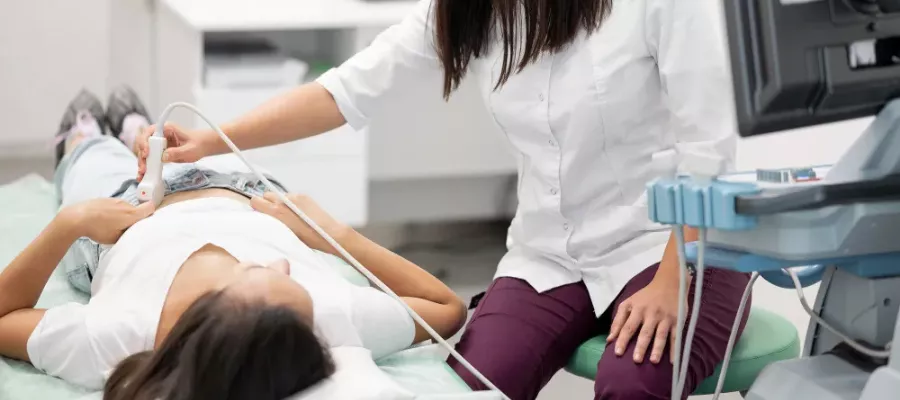
The patient lies on their back, and gel is applied to the skin. The device probe then sends sound waves to the liver. Based on the reflection speed of these waves, liver stiffness is measured. The procedure is painless and takes about 10 minutes. It is recommended to be performed on an empty stomach. Since it is non-invasive, patients can return to daily activities immediately. Doctors evaluate liver health using the collected data.
What Is FibroScan Used For?
FibroScan is used to detect liver stiffness and fat accumulation during diagnosis and follow-up.
It helps determine cirrhosis risk, fibrosis stage, and steatosis level. Compared to liver biopsy, FibroScan is more comfortable and carries lower risk. Immediate results allow faster treatment planning. It is commonly used in monitoring hepatitis, alcohol-related liver disease, and obesity-related fatty liver. Regular FibroScan testing is recommended for individuals with chronic liver conditions.
Which Diseases Does FibroScan Detect?
FibroScan effectively detects fatty liver, fibrosis, and cirrhosis.
It evaluates liver damage caused by viral infections such as hepatitis B and C. It also assesses the progression of non-alcoholic steatohepatitis, alcoholic hepatitis, and chronic liver failure. The results are critical for determining disease stage. These measurements guide physicians in creating an appropriate treatment plan.
Is FibroScan Performed on an Empty Stomach?
Yes, fasting for 2 to 3 hours before FibroScan is recommended.
Performing the test on an empty stomach ensures accurate evaluation because a full stomach may reduce measurement precision. Only water may be allowed before the procedure. A full stomach or intestines can affect imaging quality. After the test, patients may resume normal activities. Proper fasting helps ensure reliable results.
How Long Does FibroScan Take?
FibroScan usually takes between 5 and 10 minutes.
The procedure is quick and comfortable. While the patient lies down, gel is applied to the liver area. The probe analyzes liver tissue using sound waves. No pain or discomfort is typically felt. Within minutes, liver stiffness levels are measured. FibroScan stands out for its practicality in routine liver follow-up.
When Are FibroScan Results Available?
FibroScan results are generally available within minutes after the procedure.
The device displays numerical values immediately. These values reflect fibrosis and fat levels in the liver. The physician interprets the results along with medical history and clinical findings. Treatment planning can begin the same day if needed. Rapid feedback is a key advantage in liver disease management.
How Are FibroScan Results Interpreted?
FibroScan results express fibrosis and steatosis levels through numerical measurements.
Results are reported in kilopascals (kPa), indicating liver stiffness. Lower kPa values suggest healthy liver tissue, while higher values may indicate fibrosis or cirrhosis. The CAP score reflects liver fat content. Physicians evaluate these values together with laboratory tests and clinical findings. Regular monitoring helps guide treatment decisions.
Is FibroScan Safe?
FibroScan is considered safe because it is non-invasive and does not involve major risks.
The test is performed over the skin without incisions or needles. No radiation is used, and the body is not exposed to harmful procedures. Its role in early detection increases medical reliability. Patients can return to daily life immediately after the test. It is often preferred over biopsy due to comfort and safety.
Is FibroScan Painful?
During FibroScan, patients usually feel only mild vibrations rather than pain.
The probe works similarly to ultrasound and does not damage the skin. No local or general anesthesia is required. The procedure takes only a few minutes and requires no special aftercare. Even individuals with low pain tolerance can undergo the test comfortably. Daily activities do not need to be interrupted.
FibroScan Prices 2026
Fibroscan Treatment 2026 price information may vary depending on examinations, surgery plan and hospital process. For the most accurate and up-to-date price information, you can get information from our line at +90 (505) 311 77 36.
Is Preparation Required for FibroScan?
Usually, 2 to 3 hours of fasting is sufficient before FibroScan.
Patients are asked not to consume food or drinks during this period. Fasting ensures accurate measurement of liver stiffness. Medication adjustments are generally not required, but special cases should follow physician advice. The simple preparation process makes FibroScan easy to schedule.
Is FibroScan a Painful Procedure?
FibroScan is completed without pain, with only mild vibration sensations.
The probe measures liver stiffness using sound waves. No needles, incisions, or medications are involved. Mild temporary discomfort may occur but is not considered painful. No post-procedure pain develops. It is a comfortable and safe method for liver evaluation.
Are FibroScan Results Immediate?
In most centers, FibroScan results are available shortly after completion.
The digital system automatically analyzes liver stiffness and fat content. Doctors often share results the same day. In some cases, specialist evaluation may take a few hours. The short waiting time makes FibroScan a preferred option.
FibroScan or MR Elastography: Which Is Better?
MR elastography provides more detailed data, while FibroScan stands out for practicality.
FibroScan measures liver stiffness and fat quickly, whereas MR elastography offers more precise assessment. MR elastography is often preferred for tumors or advanced fibrosis evaluation. FibroScan is more accessible and cost-effective. The choice depends on patient condition and available resources.
When Is FibroScan Necessary?
FibroScan is necessary when fatty liver, fibrosis, or cirrhosis is suspected.
It is used in chronic hepatitis B and C, alcohol-related liver disease, and non-alcoholic fatty liver disease. It is also recommended for individuals with diabetes, obesity, or high cholesterol. As a non-invasive alternative to biopsy, it supports early diagnosis and monitoring.
How Often Should FibroScan Be Performed?
The frequency ranges from every 6 months to every 2 years, depending on risk level.
High-risk individuals may require more frequent monitoring. Patients with chronic hepatitis or advanced fatty liver may need annual testing. Low-risk individuals may be monitored every two years. Regular FibroScan helps track disease progression and guide treatment adjustments.
Is FibroScan Useful in Hepatitis Patients?
FibroScan effectively evaluates fibrosis and cirrhosis risk in hepatitis patients.
It is widely used in hepatitis B and C to assess liver damage stage. It offers a comfortable alternative to biopsy. The test also helps monitor treatment response. Regular use plays an important role in hepatitis management.
Which Age Groups Can Undergo FibroScan?
FibroScan can be safely performed in both children and adults.
More reliable results are typically obtained in individuals aged five and older. It is used in children with genetic or metabolic liver disorders. In adults, it is common in fatty liver, hepatitis, and alcohol-related damage. There is no strict age limitation, but evaluation depends on overall health status.